A historic district is a careful job
Franklin has one of the most intact Victorian historic districts in western Pennsylvania, and that changes how restoration work has to be done here. These are houses where the interior finishes are the value — original plaster and decorative mouldings, hardwood, joinery, tile — and where a crew that tears out first and asks later does real and irreversible damage.
So the approach is slower and more measured. Plaster gets dried in place wherever the readings allow rather than replaced with drywall. Hardwood gets floor drying mats and time before anyone talks about replacement. Demolition, where genuinely necessary, is cut to the minimum the moisture readings justify, and we show the owner those readings rather than simply making the call.
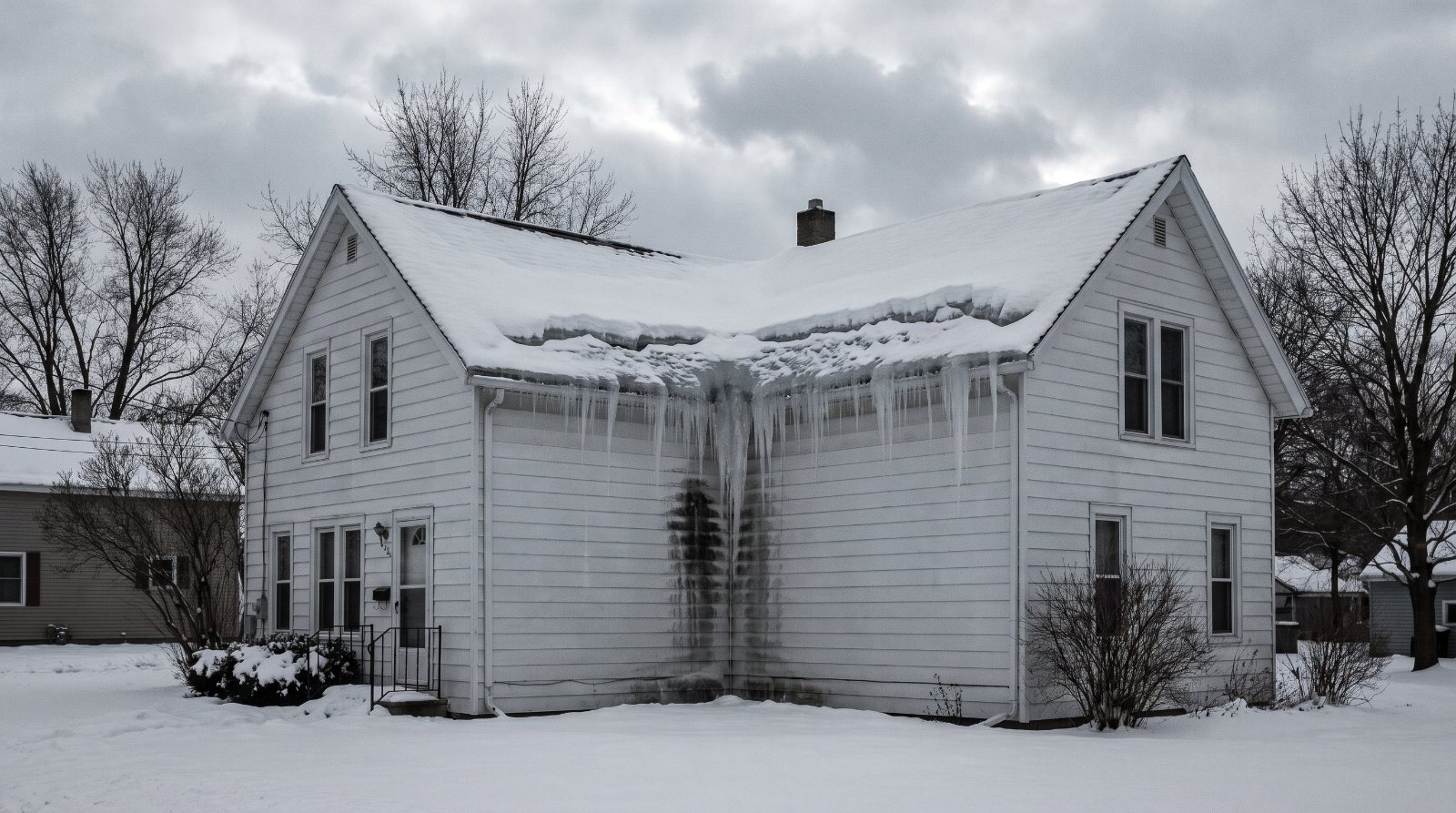
The loss patterns themselves are standard for the region: hard inland freezes splitting uninsulated supply lines, high water table and seasonal seepage near the French Creek and Allegheny confluence, surface water in the low-lying areas, and large older houses where a leak in an unoccupied portion runs for days.
Franklin is an outer response area at roughly two hours, covered 24 hours a day.
Shut the water main off if it's a supply leak. Kill power at the breaker to the affected area if water is near outlets — never wade into standing water to reach the panel. Lift what you can. Photograph everything before it's touched.
Franklin areas we serve
City of Franklin · Sugarcreek · Cranberry Township edge · Franklin historic district · Liberty Street · Buffalo Street · 13th Street · Route 8 corridor · Route 322 corridor · French Creek confluence
All services in Franklin
Historic-district considerations
Plaster & moulding damage
Original finishes are the value here. Dried in place wherever readings allow, never torn out by default.
Frozen supply lines
Hard inland freezes in housing with long uninsulated runs.
Confluence water table
Seasonal seepage and, in lower areas, genuine surface water near the rivers.
Hardwood floor losses
Floor drying mats and time before any conversation about replacement.
Franklin questions
How long to reach Franklin?
About two hours from Erie. Honest number. The dispatcher will get you stabilising the property immediately rather than waiting for arrival.
Will you tear out my original plaster and mouldings?
Not by default, and not without showing you why. Plaster can very often be dried in place with sufficient time and monitoring. Where a section has genuinely failed structurally we will show you the readings first. On a historic interior, preserving what is there is usually worth the extra drying days.
Can hardwood floors be saved after a water loss?
Frequently, if we get to them quickly. Specialty drying mats pull moisture up through the boards and cupping often relaxes as the wood equalises. Once boards have crowned or separated at the seams, replacement is the honest answer and we will say so.
Do you understand historic property requirements?
We handle the water, fire, mold and biohazard work to full standard and are deliberately conservative about removal. For specialist historic masonry or joinery replacement we will tell you when a preservation trade should take that portion rather than pretending otherwise.